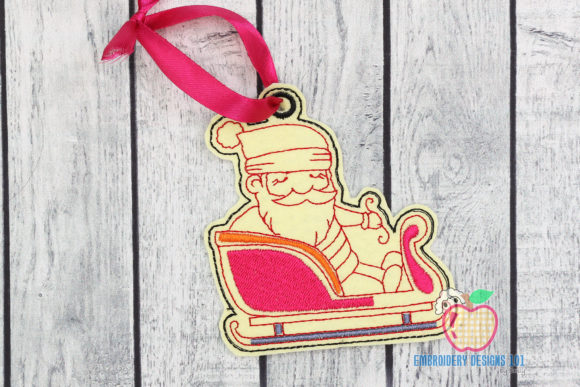
Official Cookie Tester: A Designer’s Review for Branded Merch
As an embroidery designer who has spent years digitizing artwork and advising small business owners on brand consistency, I approach every new machine embroidery design with a critical eye. It is not enough for a file to look cute on a screen; it must perform under the needle, withstand washing, and elevate the perceived value of the final product. Recently, I reviewed Official Cookie Tester, a joyful design intended for Christmas party artwork and digitized under license granted by Creative Fabrica. While the seasonal theme is obvious, my focus here is strictly on its viability as a versatile asset for small business merchandise, branded patches, and professional apparel.
First Impressions: Visual Personality and Brand Fit
The title Official Cookie Tester immediately suggests a playful, approachable tone. In the world of branding, this is a powerful tool. It humanizes a business, suggesting warmth, hospitality, and a touch of humor. For bakeries, cafés, creative studios, or boutique gift shops, this design does not just decorate; it communicates culture. The aesthetic feels handmade yet polished, striking a balance between rustic charm and modern professionalism. It is not overly ornate, which is crucial for embroidery. Overly complex designs often fail when scaled down, but this concept appears to rely on bold, readable elements that translate well to thread.
When evaluating this for commercial use, I look for clarity. Does the message read instantly? Yes. The phrase itself is a conversation starter. For a small business owner, having staff wear aprons or caps with this motif creates an immediate connection with customers. It breaks the ice and reinforces a friendly brand identity without sacrificing professionalism.
Real-World Applications for Small Business Merch
The true test of any digital embroidery file is its versatility across different substrates and products. Here is how Official Cookie Tester performs in various commercial scenarios:
- Embroidered Patches: This is perhaps the strongest application. A patch allows for high stitch density and clean edges. You can create iron-on or sew-on patches for tote bags, jackets, or hats. The playful nature of the design makes it an excellent add-on product for Etsy sellers or craft fair vendors.
- Staff Uniforms and Aprons: For bakeries and cafes, apron embroidery is a staple. Placing this design on the chest pocket area or the upper back of a canvas apron adds a custom touch that mass-produced uniforms lack. It signals attention to detail and care.
- Cap Embroidery: Caps are tricky due to the curved surface and limited space. If the design includes large, block-style lettering, it can work beautifully on the front panel. However, if the text is too long, it may require arching or splitting across panels, which can complicate production.
- Tote Bag Design: Canvas totes are popular for retail packaging and customer gifts. The sturdy fabric handles higher stitch counts well, allowing the design to pop. This turns a simple bag into a walking advertisement for your brand.
- Holiday Merchandise: Given its description as a joyful design for your Christmas party, this is a natural fit for seasonal product lines. Think limited-edition holiday mugs (with embroidered cozies), gift tags, or special event staff shirts.
Technical Considerations and Production Notes
While the concept is strong, technical execution determines the quality of the finished product. As a designer, I advise caution in several areas before running a full production batch.
Scale and Legibility: Always test the design at its smallest intended size. If you plan to use it on a small left-chest logo position, ensure the lettering remains readable. Tiny serifs or thin lines can break or get lost in the fabric texture. If the design relies on fine details, it may not be suitable for small patches.
Stitch Density and Fabric Texture: High stitch density can cause puckering, especially on lightweight fabrics like poly-cotton blends used in t-shirts. Conversely, low density may show the fabric background through the threads, reducing vibrancy. When embroidering on textured items like terrycloth towels or thick denim jeans, you must adjust pull compensation and use appropriate stabilizers. A cut-away stabilizer is often best for garments that will undergo frequent washing, while tear-away may suffice for stable items like tote bags.
Thread Color Contrast: The success of this design depends heavily on color choice. For dark uniforms, such as navy or black chef coats, you will need bright, contrasting thread colors to ensure visibility. Test the design in black and white first to check value contrast. If the design disappears in grayscale, it will likely struggle on low-contrast fabric combinations.
Hoop Size and Placement: Confirm the required hoop size before purchasing. If the design is large, it may require a 5x7 or larger hoop, which limits the types of machines that can produce it efficiently. For cap embroidery, ensure the design fits within the standard cap frame constraints without distorting the text.
Enhancing Brand Identity and Customer Trust
Using custom embroidery like Official Cookie Tester goes beyond aesthetics; it builds trust. Customers perceive embroidered items as higher quality than printed ones. The tactile nature of thread adds a premium feel to handmade products and custom apparel. When a customer receives a tote bag or wears an apron with a well-executed embroidered logo, they associate that quality with your brand.
Consistency is key. Use this design as part of a broader suite of design assets. Create printable mockups to show clients how the design looks on different items before stitching. This helps manage expectations and reduces waste. By integrating this playful element into your visual identity, you create a memorable brand experience that stands out in a crowded market.
Final Verdict and Licensing Reminder
Official Cookie Tester is a promising asset for small business owners looking to add personality to their merchandise. Its strength lies in its clear messaging and emotional appeal. However, success depends on proper technical setup. Always review the specific file details provided by Creative Fabrica, including stitch count, recommended hoop size, and exact license terms. While the description mentions it is digitized under license, always confirm whether commercial use is permitted for physical goods versus digital resale.
Before launching a full run, stitch out a sample on your actual production fabric. Check for thread breaks, tension issues, and overall finish. If it passes these tests, this design can be a valuable addition to your commercial embroidery toolkit, helping you create engaging, high-quality branded merch that customers love.