Review: Christmas Elephant Lineart for Holiday Sales
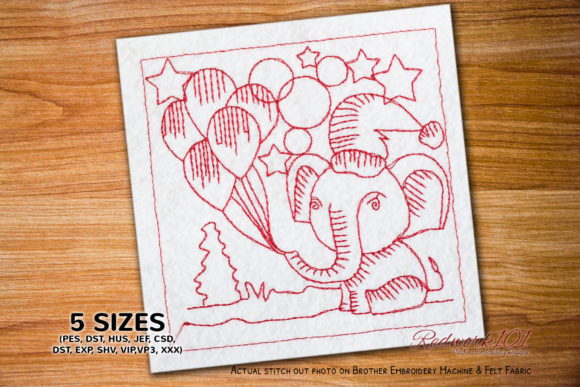
As an embroidery designer who has spent years curating collections for the holiday rush, I approach every new machine embroidery design with a critical eye. It is not just about whether the image looks cute on a screen; it is about how that design translates to fabric, how it sells in a crowded marketplace, and how it holds up under the stress of seasonal production. Recently, I reviewed the Christmas Elephant Lineart Design, and it immediately stood out as a versatile asset for anyone looking to expand their seasonal inventory.
The first impression of this piece is one of understated charm. Unlike the heavy, saturated motifs that often dominate December catalogs, this lineart style offers a modern, airy aesthetic. It feels playful yet sophisticated, striking a balance that appeals to both children and adults. For Etsy sellers and small shop owners, this emotional tone is crucial. Shoppers are increasingly drawn to designs that feel cozy and nostalgic without being overly cluttered. The clean lines suggest a premium quality, making it an excellent candidate for higher-priced items like linen pillow covers or high-end apparel.
Strategic Product Applications for the Season
When planning a holiday collection, versatility is key. The Christmas Elephant Lineart Design performs exceptionally well across a wide range of substrates. Here is how I envision this design working in real-world selling scenarios:
- Sweatshirt Embroidery: The open nature of lineart prevents the "cardboard effect" often seen with dense fills on thick fleece. It sits lightly on the chest or sleeve, offering a subtle festive nod that customers can wear beyond December 25th.
- Kitchen Towel Embroidery: This is a high-volume seller during the holidays. The design’s simplicity ensures it remains legible even on textured waffle weave or terry cloth, provided the correct stabilizer is used.
- Tote Bag Design: Canvas bags benefit from bold, clear lines. This elephant motif serves as a charming centerpiece for gift-giving totes, appealing to eco-conscious shoppers looking for reusable wrapping alternatives.
- Pillow Cover Accents: For home decor, placing this design on neutral-toned linen or cotton blends creates a rustic-modern look. It pairs beautifully with plaid or solid-colored throw pillows.
- Embroidered Patch Creation: Because the design is contained and linear, it is ideal for creating iron-on or sew-on patches. These can be sold as standalone accessories or added to denim jackets and beanies.
For those creating family matching items, this design scales well. You can use a larger version for adult apparel and a smaller iteration for baby onesies, creating a cohesive "matching family" set that drives higher average order values.
Navigating Technical Constraints and Fabric Choices
While the aesthetic appeal is strong, practical execution requires attention to detail. As a designer, I must advise caution when applying this digital embroidery file to certain materials. The lineart style relies on consistent stitch paths. On stretchy garments like jersey knits, improper hooping or lack of adequate cut-away stabilizer can cause distortion, breaking the clean lines of the elephant’s trunk or ears.
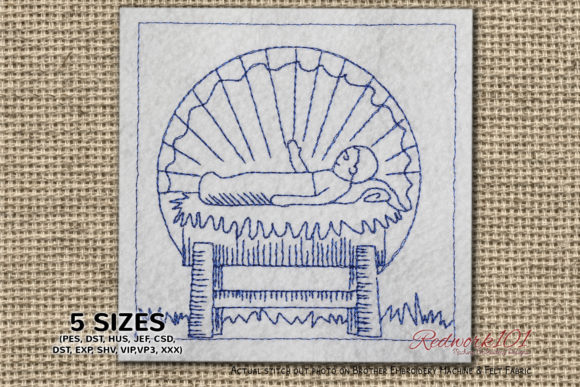
Additionally, consider the hoop size. If you are working with a small hoop, ensure the design fits comfortably within the margins without compromising the integrity of the outer edges. The product description notes that "The Box Stitch shown in picture is optional." This is a significant advantage. It means you can adapt the design to different framing needs. However, be mindful that "the color of outer Box is different color in most of the designs unless it is part of the design itself, you can skip the color directly." This flexibility allows you to match thread colors to your specific fabric palette, but it also places the responsibility on you to ensure the contrast is sufficient. On dark fabrics, using a metallic or bright white thread for the outline will ensure visibility, whereas on light fabrics, a deep navy or forest green can provide a classic holiday feel.
Avoid using this design on items that require aggressive washing unless you have tested the thread durability. While polyester threads are generally colorfast, the fine details of lineart can sometimes loosen if the fabric shrinks significantly. Always pre-wash your blanks to mitigate this risk.
Enhancing Brand Value and Customer Trust
In the competitive landscape of holiday embroidery, visual recognition is everything. The Christmas Elephant Lineart Design helps build brand consistency because it is distinct enough to be recognizable but simple enough to fit various brand aesthetics. Whether your shop focuses on minimalist modernism or rustic farmhouse styles, this design adapts seamlessly.
From a marketing perspective, this design lends itself beautifully to social media previews. The clean lines photograph well, allowing for crisp printable mockups that highlight the texture of the stitch work. When creating listings, emphasize the handmade quality. Buyers of personalized gifts are looking for evidence of care and craftsmanship. A well-executed lineart design demonstrates precision, which builds customer trust.
Furthermore, this design supports the creation of gift bundles. Pair an embroidered tote bag with a matching kitchen towel, or offer a sweatshirt with a coordinating ornament. These bundles increase perceived value and simplify the shopping experience for busy holiday consumers.
Practical Designer Notes for Production
Before adding this embroidery file to your commercial lineup, follow these essential steps to ensure quality control:
- Test Thread Colors: Run test stitches on both light and dark fabric swatches. Verify that the chosen thread colors provide enough contrast against the background material.
- Check Stitch Density: Although lineart is generally less dense than fill designs, verify that the underlay is sufficient for your specific fabric type to prevent puckering.
- Confirm Hoop Size: Ensure the design dimensions fit your standard hoops. If resizing, do so in small increments to avoid distorting the aspect ratio.
- Use Proper Stabilizer: Match the stabilizer to the fabric weight. Use tear-away for stable woven fabrics and cut-away for stretchy knits or towels.
- Create Realistic Mockups: Do not rely solely on digital simulations. Photograph actual stitched samples to show buyers the true texture and scale of the finished product.
- Review Small Details: After stitching, inspect the smallest elements of the elephant’s features. Ensure there are no loose jumps or thread breaks that could compromise durability.
- Plan Matching Color Palettes: Develop a set of recommended thread color combinations that align with current holiday trends, such as sage green, burnt orange, or classic red and gold.
- Confirm Commercial Licensing: Before selling any finished products, review the license terms associated with the digital file. Ensure you have the right to use the design for commercial embroidery sales.
The Christmas Elephant Lineart Design is more than just a festive image; it is a strategic tool for expanding your seasonal offerings. By understanding its technical requirements and leveraging its aesthetic flexibility, you can create high-quality, desirable products that resonate with holiday shoppers. Whether you are decorating aprons for a craft fair or producing limited-edition apparel for your online store, this design offers the perfect blend of whimsy and professionalism needed to succeed in the holiday market.