Review: Christmas Rabbit Face Redwork Design
As a designer who has spent countless hours staring at digitizing software and even more hours watching needles pierce fabric, I have developed a specific eye for what makes a machine embroidery design truly work in the real world. It is not just about how it looks on a screen; it is about how it behaves under tension, how it reads from three feet away, and whether it adds value to a handmade product. Recently, I evaluated the Christmas Rabbit Face Redwork Design with a specific client project in mind, and here is my practical breakdown of its performance and potential.
First Impressions and Visual Personality
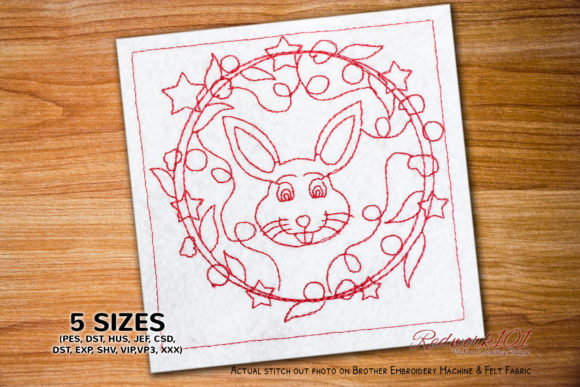
The first thing that strikes you about this design is its charming simplicity. In an era where complex, multi-colored applique design files often dominate the market, there is a refreshing clarity to a well-executed redwork piece. The Christmas Rabbit Face Redwork Design relies on clean lines and negative space rather than dense fill stitch areas. This creates a mood that is nostalgic yet modern, fitting perfectly into the current trend of minimalist holiday embroidery.
The layout is balanced, with the rabbit’s features centered to ensure stability during stitching. The visual personality is soft and approachable, making it an ideal candidate for projects that need to feel personal and warm. Unlike designs that scream for attention with heavy saturation, this piece whispers, which often results in higher perceived quality in boutique settings.
Real-World Application: The Tote Bag Test
To truly understand the utility of this file, I applied it to a common craft business staple: a natural cotton canvas tote bag. This is a classic scenario for any Etsy seller or small shop owner. The goal was to create a seasonal item that could transition from December into the new year without feeling dated.
The Christmas Rabbit Face Redwork Design performed exceptionally well on the textured surface of the canvas. Because redwork typically utilizes a running stitch or simple backstitch outline, it does not pull or pucker the fabric as aggressively as a dense satin column might. The result was a crisp, clean image that maintained its integrity even on the slightly uneven weave of the tote. For a personalized gift or a small shop product, this reliability is crucial. Customers trust items that look professionally finished, and the lack of thread buildup here contributes significantly to that professional appearance.
Versatility Across Product Lines
Beyond tote bags, this design shows promise in several other categories. For custom apparel, such as a crewneck sweatshirt, the design sits nicely on the chest or sleeve without adding bulk. It works equally well for baby embroidery projects, where softness and lack of scratchy thread ends are priorities. I can also envision this working beautifully on kitchen towels or aprons, adding a touch of whimsy to functional home goods. For those selling digital embroidery file assets, this type of versatile, single-color design is often a bestseller because it allows the end-user to customize the thread color to match their specific brand palette.
Technical Considerations and Fabric Choices
While the design is forgiving, it is not without its technical requirements. As an experienced reviewer, I must point out where caution is needed. Redwork relies entirely on line weight and spacing. If you are stitching on a dark fabric, you must ensure high contrast in your thread colors. A dark red on navy blue might get lost, whereas a bright crimson on white cotton pops effectively.
Stabilizer choice is critical. Even though this is not a dense design, using the wrong stabilizer can lead to shifting lines. For stretchy fabrics like jersey knits used in t-shirts, a cut-away stabilizer is non-negotiable to prevent distortion. On woven fabrics like linen or cotton, a tear-away may suffice, but always test on scrap fabric first. The description notes that the box stitch shown in some previews is optional and that the outer box color can be skipped if it is not part of the core design. This flexibility is a bonus, allowing you to simplify the stitch count if you are working with delicate materials or smaller hoop size constraints.
Commercial Viability and Brand Consistency
For commercial embroidery professionals, the value of this design lies in its speed and clarity. Faster stitch times mean lower production costs per unit. Furthermore, the clean aesthetic supports brand consistency. If your shop focuses on rustic, handmade, or minimalist aesthetics, this embroidery project aligns perfectly. It does not clash with other elements and allows for easy pairing with text or other simple motifs.
When creating printable mockup images for your online store, this design photographs well. The lack of sheen from satin stitches means fewer lighting issues, resulting in clearer product photos that drive buyer engagement. It enhances the finished product by looking intentional and refined rather than overly decorated.
Practical Designer Notes
Before you commit to a large batch of embroidered patch production or holiday gifts, consider these practical steps:
- Test Stitch Density: Run a test on your specific machine to ensure the running stitches are tight enough to look solid but not so dense that they perforate the fabric.
- Check Color Contrast: View your design in black and white on your screen. If the details disappear, the contrast between thread and fabric needs adjustment.
- Verify Licensing: Always confirm the license terms provided with the digital embroidery file. Ensure you have the right to sell finished items if you are an Etsy seller or commercial entity.
- Hoop Size Confirmation: While the design appears small, check the actual dimensions in your software to ensure it fits your intended hoop, especially for curved surfaces like caps.
- Inspect Small Details: Zoom in on the rabbit’s eyes and nose. Ensure these small elements are digitized with enough stitches to be visible but not so many that they become bulky knots.
Final Verdict
The Christmas Rabbit Face Redwork Design is a solid addition to any designer’s library. It bridges the gap between festive charm and professional minimalism. It is particularly well-suited for makers who value efficiency and clean aesthetics. Whether you are creating a sweatshirt embroidery line for the holidays or adding a subtle touch to a year-round tote bag design, this file offers the reliability and visual appeal necessary for successful design assets. Just remember to respect the fabric, choose your stabilizer wisely, and let the simplicity of the redwork style shine.