Reviewing Christmas Candy Canes Redwork for Gifts
As an embroidery designer who has spent countless hours hooping, stitching, and unpicking, I approach every new machine embroidery design with a critical eye. It is not just about how pretty the preview looks on a screen; it is about how that design translates to fabric, thread, and ultimately, into the hands of a delighted customer. Recently, I tested the Christmas Candy Canes Redwork design to see if it holds up under the scrutiny of a busy personalized gift shop. For those of us creating handmade products, finding designs that balance charm with technical reliability is essential.
First Impressions: Mood and Aesthetic Appeal
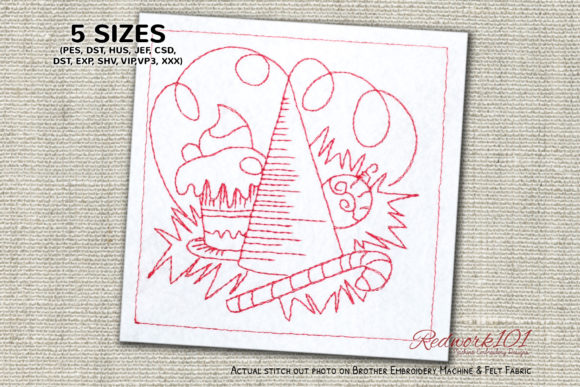
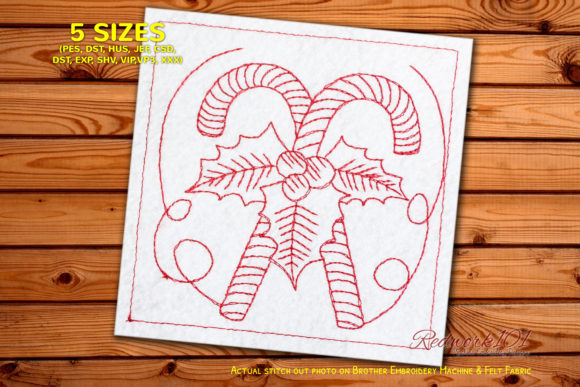
The first thing that strikes you about Christmas Candy Canes Redwork is its timeless simplicity. Redwork is a classic technique, traditionally using red thread on white or natural linen, evoking a sense of nostalgia and warmth. This particular design captures that vintage holiday spirit without feeling dated. The lines are clean, suggesting a sweet and playful mood that fits perfectly within the Christmas season. It feels elegant in its minimalism, avoiding the clutter that often plagues modern digital files. For a Etsy seller or small business owner, this aesthetic is gold. It appeals to customers looking for something that feels authentic and handmade rather than mass-produced.
The emotional appeal here is strong. It reminds buyers of grandmother’s kitchens and cozy winter mornings. When planning your product line, consider that this design does not scream for attention; instead, it invites a closer look. This subtlety makes it versatile for various demographics, from young parents wanting gentle nursery decor to couples seeking understated wedding keepsakes with a holiday twist.
Versatility Across Product Lines
One of the strongest assets of this embroidery file is its adaptability. I visualized it on several different substrates to gauge its potential. For baby embroidery, imagine this stitched onto a soft muslin swaddle blanket or a burp cloth. The simple lines are safe and charming, making it an excellent choice for a newborn’s first Christmas. Similarly, for kitchen textiles, an embroidered towel featuring these candy canes adds a festive touch that doesn’t overpower the room’s decor. It works beautifully on flour sack towels, which are popular for their texture and absorbency.
Beyond baby items and kitchenware, consider home decor. A pillow cover with this design centered on a neutral linen background becomes an instant heirloom piece. For wedding gift shoppers, especially those marrying during the winter holidays, this could be personalized with names and dates to create a unique commemorative item. Tote bags are another excellent candidate. The bold contrast of red thread on canvas creates a striking visual that stands out in product photography, helping to drive buyer engagement on social media platforms.
Technical Considerations and Fabric Choices
While the design is beautiful, practical application requires attention to detail. Redwork relies heavily on the contrast between the thread and the fabric. Therefore, fabric choice is paramount. On light-colored, smooth fabrics like cotton or linen, the design pops. However, on textured fabrics or dark materials, the fine lines may get lost. If you plan to stitch on a dark fabric, you must adjust your thread colors or add a satin stitch border, though this changes the traditional redwork look.
Another critical factor is the stitch density. Redwork designs typically have lower density, which is great for preventing puckering on lightweight fabrics. However, this also means the design lacks the fill stitches that can hide minor imperfections in the fabric or tension issues. You must ensure your machine is well-maintained and your tension is balanced. When working with stretchy baby clothes, always use a cut-away stabilizer to prevent distortion after washing. For woven items like towels, a tear-away stabilizer is usually sufficient, but test on scrap fabric first to confirm.
Pay close attention to the optional elements mentioned in the product details. The description notes that "The Box Stitch shown in picture is optional." This is a crucial detail for customization. If you are creating a custom embroidery piece for a client who wants a framed look, include the box. If they prefer a floating, more organic feel, skip it. Also, note that "The color of outer Box is different color in most of the designs unless it is part of the design itself, you can skip the color direc." This implies flexibility in color planning but requires you to manually manage thread stops if you choose to include the box. Always check the specific file instructions before loading it into your software.
Enhancing Perceived Value and Giftability
In the world of online selling, perceived value is everything. A well-executed Christmas Candy Canes Redwork design elevates a simple item into a thoughtful personalized gift. Customers are not just buying a towel or a blanket; they are buying the emotion and effort embedded in the stitch work. High-quality product photography is essential here. Capture the texture of the thread and the weave of the fabric in natural light. Show the design in context—on a hung towel, folded on a nursery shelf, or held by a child.
This design builds customer trust because it looks professional yet accessible. It signals that the creator understands balance and tradition. For small shop products, consistency is key. Using this design across a collection—matching aprons, towels, and pot holders—creates a cohesive brand image that encourages multiple purchases. It is an ideal entry point for customers new to your shop, as the price point for redwork items is often lower than complex filled designs, yet the visual impact remains high.
Practical Steps for Commercial Use
Before listing any finished product for sale, there are several steps you must take. First, verify the commercial licensing terms of the digital embroidery file. Ensure you have the right to sell physical items made with this design. Next, create a printable mockup or a digital proof to show clients what the final product will look like. This manages expectations and reduces revision requests.
Test the design on the exact hoop size you intend to use. While redwork is generally forgiving, ensure the design fits comfortably within the hoop margins without hitting the edges. Check small details after stitching. Are the curves smooth? Is there any bird nesting? These quality control checks are vital for maintaining a reputation for excellence. Finally, consider the care instructions. Inform your customers how to wash their embroidered items to preserve the vibrancy of the thread and the integrity of the fabric.
In conclusion, Christmas Candy Canes Redwork is a robust and charming addition to any embroidery designer’s library. It bridges the gap between traditional craftsmanship and modern gift-giving trends. By paying attention to fabric choices, stabilizer types, and presentation, you can turn this simple design into a best-selling item in your holiday collection. Whether for a baby’s first Christmas or a cozy kitchen update, this design delivers warmth, quality, and timeless holiday cheer.