Reviewing Christmas Polar Bear Redwork for Business
As an embroidery designer who has spent years refining digital files for commercial use, I approach every new machine embroidery design with a critical eye. It is not enough for a pattern to look cute on a screen; it must perform under the needle, survive industrial washing, and elevate the brand it represents. Today, I am reviewing Christmas Polar Bear Redwork, a festive design that holds significant potential for small business merchandise and branded patch applications.
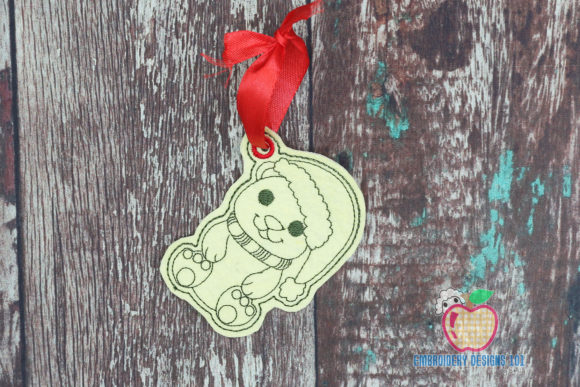
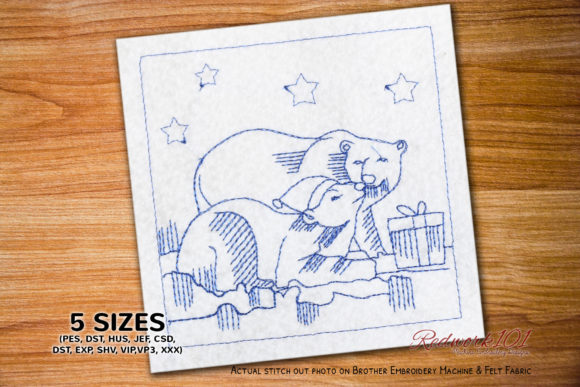
The first impression of this design is one of charming simplicity. Redwork, by definition, relies on single-color stitching, which creates a vintage, handcrafted aesthetic. This particular polar bear motif feels playful yet classic, avoiding the clutter often found in holiday designs. For boutique owners and handmade brands, this visual personality is crucial. It signals warmth and nostalgia without appearing cheap or overly busy. When evaluating design assets for client projects, I look for clarity and balance, and this piece delivers a clean silhouette that reads well from a distance.
Real-World Applications for Small Business Merch
The true test of any digital embroidery file is its versatility across different products. I have evaluated how Christmas Polar Bear Redwork performs in various commercial contexts, from staff uniforms to customer gifts.
- Embroidered Patches: This is perhaps the strongest application. The redwork style translates beautifully into iron-on or sew-on patches. Because the design lacks complex color changes, production time is reduced, making it cost-effective for bulk orders. These patches can be added to denim jackets, tote bags, or beanies as limited-edition holiday items.
- Apron Embroidery: For bakeries, florists, and cafés, branded aprons are walking advertisements. Placing this polar bear on the chest pocket or lower corner adds a seasonal touch to staff uniforms. The single-color thread ensures the logo remains legible against various fabric backgrounds, provided there is sufficient contrast.
- Cap Embroidery: Caps present a curved, challenging surface. Simple designs like this work better than intricate multi-color logos because they require less stabilization and fewer needle penetrations, reducing puckering. However, placement is key; the design should be centered and scaled appropriately to avoid distortion on the front panel.
- Tote Bag Design: Canvas totes are popular retail items. A large-scale version of this bear can serve as a primary graphic, while a smaller version works well as a subtle brand mark near the handle. The rustic feel of redwork complements the natural texture of canvas perfectly.
When considering custom apparel for events or holiday promotions, this design offers a cohesive look. Whether used on work shirts for a pet brand or as a detail on packaging accents, it maintains visual consistency. This consistency builds brand identity and customer trust, as buyers recognize the quality and style associated with your business.
Navigating Production Challenges
While Christmas Polar Bear Redwork is versatile, there are specific scenarios where caution is required. As a designer, I always advise testing before full-scale production. Here are the critical areas to watch:
- Stitch Density and Fabric Texture: Redwork can sometimes appear sparse if the stitch density is too low. On textured fabrics like terry cloth or heavy wool, the single-color lines might get lost. Conversely, on delicate silks, high density could cause pulling. Always test on the actual material you intend to use.
- Small Patch Sizes: If scaling down for tiny labels or jewelry tags, fine details may merge. Ensure the outline of the bear remains distinct. If the design includes optional elements, such as the box stitch mentioned in the product notes, verify that these do not clutter the composition at smaller scales.
- Dark Uniforms: Since redwork typically uses red thread, visibility on dark navy or black uniforms can be an issue. While traditional redwork is striking, consider using a brighter thread color or adding a satin stitch border if contrast is insufficient. The product description notes that the outer box color varies; ensure this does not clash with your garment color.
- Washing Durability: Items like aprons and caps undergo frequent washing. Verify that the stabilizer used is tear-away or cut-away depending on the fabric stretch. Poor stabilization leads to distortion after the first wash, damaging the perceived value of the finished product.
Enhancing Brand Identity and Value
Integrating Christmas Polar Bear Redwork into your product line does more than add decoration; it enhances perceived value. Customers associate embroidered items with higher quality compared to printed graphics. This tactile element fosters a deeper connection with the handmade product experience.
For Etsy sellers and craft businesses, this design can be a cornerstone of seasonal marketing. It allows for rapid deployment of holiday-themed merch without the need for complex inventory management. By using a consistent design across multiple items—such as matching tote bags and aprons—you create a curated collection that encourages larger purchases. This strategy boosts buyer engagement and strengthens recognition of your shop’s aesthetic.
Practical Designer Notes for Implementation
Before launching this design in your commercial embroidery workflow, follow these professional steps to ensure success:
- Test in Black and White First: Convert the design to grayscale in your software to check for contrast issues. If the shape holds up without color, it will likely succeed in redwork.
- Check Hoop Size Compatibility: Confirm that the design fits within your standard hoop sizes. The product description mentions an optional box stitch; decide if this frame is necessary for your application or if it limits placement options.
- Review Thread Color Contrast: Do not assume standard red thread works for all fabrics. Test crimson, bright red, and even white on dark fabrics to see which offers the best visibility and brand alignment.
- Create a Printable Mockup: Before stitching, generate a printable mockup to show clients or team members. This helps visualize the scale and placement on the actual garment, preventing costly errors.
- Confirm Licensing Details: The product description states that the box stitch is optional and colors may vary. However, it does not specify exact stitch counts or license terms. Always verify the commercial usage rights of the embroidery file before selling finished goods. Ensure you are compliant with the designer’s terms regarding mass production versus small batch sales.
- Use Proper Stabilizer: For caps, use a stiff backer. For towels, use a cut-away. For woven shirts, a light tear-away may suffice. The right stabilizer is the difference between a professional finish and a puckered mess.
In conclusion, Christmas Polar Bear Redwork is a strong contender for small business merchandising. Its simplicity allows for flexibility, while its festive theme drives seasonal sales. By paying attention to fabric choice, stabilization, and placement, you can transform this digital asset into a tangible driver of brand loyalty and revenue. Always prioritize testing and quality control to maintain the high standards your customers expect from your small business merch.