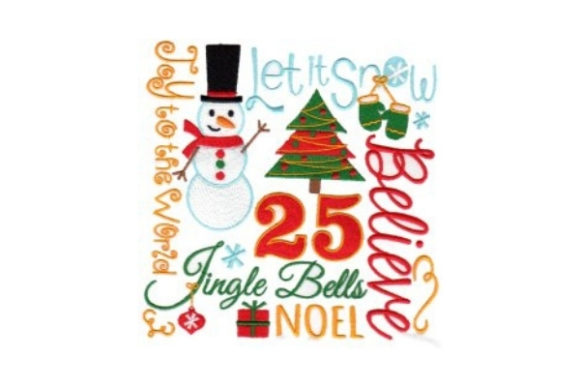
Reviewing Christmas Word Art for Holiday Projects
As a designer who has spent countless hours digitizing and stitching out holiday motifs, I approach every new machine embroidery design with a mix of excitement and skepticism. We all know that what looks crisp on a screen does not always translate perfectly to fabric. When I first loaded the Christmas Word Art file into my software, my immediate goal was to determine if it held up under the scrutiny of real-world production. This is not just about aesthetics; it is about viability for craft businesses, Etsy sellers, and anyone looking to create high-quality handmade products during the busy winter season.
First Impressions and Visual Personality
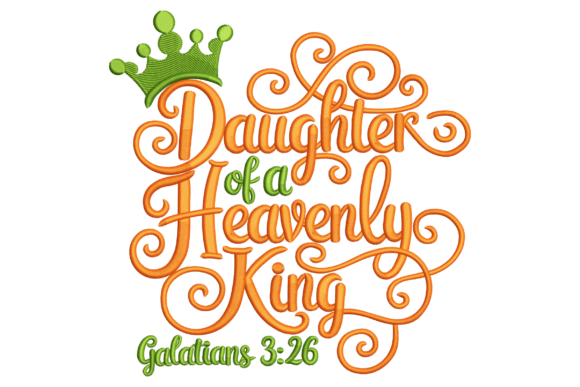
The initial view of Christmas Word Art suggests a balance between festive charm and modern simplicity. Unlike overly complex scenes that require thousands of stitches and hours of machine time, this design relies on typographic strength and seasonal symbolism. The mood it creates is warm and inviting, suitable for a wide range of demographics. For an embroidery product reviewer, the layout is crucial. Does the spacing allow for clean stitching? Are the connections between letters logical for the needle path?
In this case, the visual personality feels versatile. It does not scream "cheap novelty," which is a common pitfall in holiday embroidery. Instead, it offers a refined look that can elevate a simple item into a boutique-worthy piece. Whether you are aiming for a rustic farmhouse vibe or a sleek contemporary aesthetic, the design serves as a strong focal point without overwhelming the base material.
Real-World Application: The Tote Bag Test
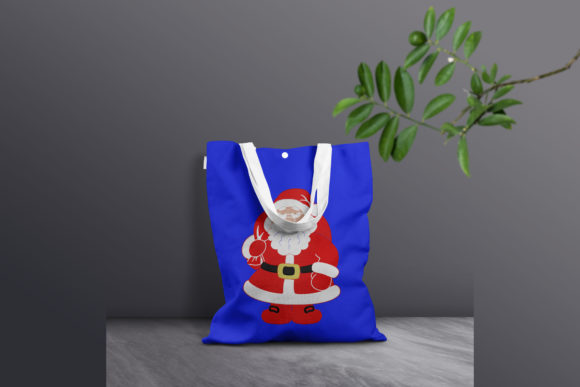
To truly evaluate any embroidery project, I believe in testing it on a tangible product. I chose a heavy-weight canvas tote bag for my trial run. This is a popular item for small shop products and holiday gifts. The texture of canvas provides a stable surface, but it also challenges the needle penetration and thread tension.
Stitching out Christmas Word Art on the tote revealed how the design handles density. The fill stitch areas appeared solid and uniform, while any satin stitch elements maintained their sheen without puckering. This is critical for customer trust. If a buyer receives a gift where the stitching looks sparse or uneven, it reflects poorly on the brand. In this test, the design held its shape well, suggesting it would perform reliably on similar sturdy fabrics like denim aprons or pillow covers.
Versatility Across Product Lines
Beyond totes, I considered how this design would fare on other common items. For sweatshirt embroidery, the design needs to be large enough to be legible but not so dense that it stiffens the garment excessively. On a fleece or cotton blend hoodie, Christmas Word Art could serve as a central chest piece or a subtle sleeve accent. The key here is adjusting the scale to match the hoop size and ensuring the stabilizer supports the stretch of the fabric.
For baby embroidery projects, such as onesies or bibs, the softness of the final product is paramount. If the design includes dense fill stitches, it might feel scratchy against sensitive skin. However, if the digitization uses lighter running stitch outlines or open fills, it becomes viable for infant wear. Always check the stitch density settings in your software before committing to a production run for delicate items.
Technical Considerations and Fabric Challenges
No design is universal, and Christmas Word Art requires careful consideration when applied to challenging materials. Textured fabrics, such as terry cloth towels or thick wool blankets, can obscure fine details. If the design relies on tiny lettering or intricate corners, these may get lost in the pile of the fabric. In such cases, increasing the size of the embroidery or choosing a contrasting thread color can help maintain clarity.
Dark fabrics present another hurdle. While the design itself is monochromatic in structure, the choice of thread colors becomes vital. A dark green or red thread on a black shirt might lack contrast, making the word art difficult to read. I recommend testing the design in black and white mockups first to ensure the shape remains distinct regardless of color choice. Additionally, using a top-stitching needle and appropriate stabilizer can prevent sinking on plush materials.
Curved surfaces, like caps or hats, require special attention. The distortion caused by the curve can stretch the design horizontally. If Christmas Word Art is not adjusted for cap embroidery, the letters may appear warped. Always use a cap frame and consider slightly compressing the design width-wise in your digitizing software to compensate for the curvature.
Commercial Viability and Brand Consistency
For Etsy sellers and creative entrepreneurs, the commercial value of a design lies in its ability to attract buyers and justify price points. Christmas Word Art offers a professional finish that enhances perceived value. Customers are more likely to pay a premium for items that look meticulously crafted rather than mass-produced. The clean lines and balanced composition of this design contribute to a sense of professionalism and brand consistency.
When creating printable mockups or digital product previews, this design photographs well. Its clear shapes and defined edges make it easy to showcase in marketing materials. High-quality images of finished products can significantly boost buyer engagement and conversion rates. Whether you are selling physical handmade products or digital embroidery files, the visual appeal of the stitched outcome is your primary sales tool.
Practical Designer Notes
Before launching any product featuring Christmas Word Art, follow these practical steps:
- Test on scrap fabric: Never stitch directly on your final product without a trial run. Use the same fabric type and weight to check for puckering or thread breaks.
- Check stabilizer compatibility: Use cut-away stabilizer for stretchy fabrics and tear-away for woven materials. Proper stabilization is the foundation of a clean stitch-out.
- Verify file formats: The product description mentions multiple embroidery file formats. Ensure you have the correct format for your specific machine model to avoid conversion errors that can alter stitch paths.
- Review licensing terms: Confirm whether the license allows for commercial use of finished items. Some designers restrict the sale of digital files but permit the sale of physical goods. Always clarify this before listing products on marketplaces.
- Inspect small details: Zoom in on your software to check for potential jump stitches or unnecessary trims that could slow down production or weaken the design.
Final Verdict on Holiday Embroidery
In the context of holiday embroidery, Christmas Word Art stands out as a reliable and versatile asset. It avoids the clichés often found in seasonal designs while maintaining a festive spirit. For craft business owners, it offers a low-risk, high-reward option for expanding holiday collections. Whether used on a cozy blanket, a stylish tote, or a personalized gift, it delivers a polished result that resonates with customers.
Remember, the success of any embroidery project depends not just on the design file, but on the skill and preparation of the maker. By understanding the nuances of fabric, thread, and machine settings, you can maximize the potential of Christmas Word Art and create products that stand out in a crowded market. Enjoy the winter holidays and let your creativity shine through every stitch.