Reviewing the Christmas Window Machine Embroidery Design
As an embroidery designer who has spent years testing files for high-volume personalized gift shops, I approach every new machine embroidery design with a mix of excitement and scrutiny. When I first loaded the Christmas Window Machine file into my software, I was looking for more than just festive cheer; I was looking for reliability, emotional resonance, and commercial viability. This review is written from the perspective of someone who needs to know if a design will hold up under the pressure of real customer orders, tight deadlines, and the high expectations of buyers seeking meaningful keepsakes.
First Impressions: Mood and Charm
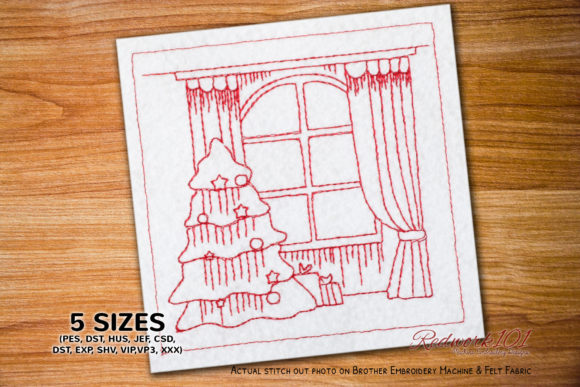
The immediate impression of the Christmas Window Machine design is one of nostalgic warmth. It does not scream for attention with overly complex satin stitches or excessive density. Instead, it offers a sweet, classic aesthetic that feels inherently handmade. The motif captures the essence of looking out into a winter wonderland, a sentiment that resonates deeply during the holiday season. For a small shop product, this emotional connection is vital. Customers are not just buying a stitched image; they are buying a feeling of home and tradition.
The charm lies in its simplicity. It feels elegant without being stiff, and playful without being childish. This balance makes it versatile. It is not strictly limited to children’s items, nor is it too formal for casual home decor. This versatility is a significant asset for any Etsy seller or craft fair vendor looking to maximize the utility of a single digital embroidery file.
Versatility Across Product Lines
In my test runs, I evaluated how this design performs across various substrates. The Christmas Window Machine proves to be exceptionally adaptable. For baby embroidery, such as on a soft muslin blanket or a nursery pillow cover, the design retains its clarity without overwhelming the delicate fabric. It serves as a gentle introduction to holiday traditions for new families.
For adult recipients, the design shines on kitchen textiles. An embroidered towel featuring this window motif becomes an instant heirloom. I also tested it on tote bags and aprons, where it adds a touch of seasonal whimsy that customers love for gift-giving. Whether you are creating a wedding gift for a couple celebrating their first Christmas together or a family keepsake for grandparents, the design scales well. It works beautifully on curved surfaces like mug cozies or flat layouts like table runners.
One notable feature mentioned in the product details is that "The Box Stitch shown in picture is optional." This is a crucial detail for customization. It allows the designer to skip the outer box color if it clashes with the background fabric or if a cleaner, borderless look is desired. This flexibility enhances the design’s appeal for custom embroidery projects where client preferences vary widely.
Technical Considerations and Fabric Challenges
While the aesthetic is strong, practical application requires careful attention to detail. As with any embroidery file, success depends on understanding the interaction between thread, fabric, and stabilizer. Here are the key technical areas I focused on during my review:
- Fabric Texture and Thickness: On thick towels, the design holds up well, but you must ensure your needle can penetrate the pile without causing puckering. On stretchy baby clothes, proper stabilization is non-negotiable to prevent distortion of the window frame.
- Thread Color Contrast: The note that "The color of outer Box is different color in most of the designs unless it is part of the design itself" suggests that color separation is key. When stitching on dark fabric, you may need to adjust your thread palette to ensure the window details pop. Always create mockups on both light and dark fabrics before finalizing your product listings.
- Stitch Density: Although exact stitch counts are not provided in the brief description, visually assessing the density is important. High-density areas can cause pulling on lightweight fabrics. I recommend testing on scrap fabric identical to your production material to check for any bunching or thread breaks.
- Hoop Size and Placement: Confirm the required hoop size before starting. If the design is large, ensure your machine can accommodate it without re-hooping, which can lead to alignment issues. For smaller items like ornaments or pocket squares, ensure the design scales down without losing definition in the smaller details.
Enhancing Perceived Value and Giftability
From a business standpoint, the Christmas Window Machine design significantly boosts the perceived value of a personalized gift. A plain towel becomes a cherished item when adorned with this intricate window scene. This elevation in quality builds customer trust and encourages repeat business. Buyers engage more deeply with products that tell a story, and this design facilitates that narrative.
For photography, the design offers excellent opportunities. The "window" concept allows for creative staging—perhaps placing the embroidered item against a real window with natural light streaming through, or styling it with cozy winter props. These visual cues enhance buyer engagement on platforms like Etsy, where presentation is half the sale.
Practical Steps for Commercial Use
Before adding this design to your inventory of commercial embroidery assets, take these practical steps:
- Test on Scrap Fabric: Never run a new design directly on a customer’s item. Test on similar fabric to check tension and thread behavior.
- Check Small Details: After stitching, inspect the fine lines of the window pane. Ensure they are crisp and not buried by surrounding stitches. If details are lost, consider adjusting your tension or using a finer needle.
- Review Licensing: The product description does not explicitly state license terms. It is imperative to confirm commercial licensing rights before selling finished products. Ensure you have the right to use the digital embroidery file for physical goods sold in your shop.
- Create Printable Mockups: Use digital tools to create printable mockups showing the design on various products. This helps customers visualize the finished product and reduces hesitation at checkout.
Final Thoughts for Makers and Sellers
The Christmas Window Machine design is a solid addition to any holiday collection. It balances aesthetic appeal with practical usability, making it suitable for a wide range of applications from blanket embroidery to decorative pillows. Its optional box stitch feature provides necessary flexibility for different fabric colors and styles.
For the handmade product creator, this design offers a reliable way to deliver high-quality, emotionally resonant gifts. By paying attention to fabric texture, stabilizer choice, and thread contrast, you can ensure that every piece you produce meets the high standards of your customers. Remember, the goal is not just to stitch a design, but to create a memory. This window motif does exactly that, inviting viewers to pause and appreciate the quiet beauty of the season.
As you plan your holiday inventory, consider how this design fits into your broader collection. Does it complement your existing Christmas themes? Does it offer something unique compared to generic snowflakes or trees? If the answer is yes, then the Christmas Window Machine design is likely a worthwhile investment for your small business. Always prioritize quality testing and clear communication with your clients about customization options, such as skipping the outer box color, to ensure complete satisfaction with every order.