Ringing Bell: A Designer’s Review for Holiday Projects
As an embroidery designer who has spent years digitizing and testing thousands of motifs, I approach every new machine embroidery design with a critical eye. It is not just about whether the image looks cute on a screen; it is about how the stitches lay down on fabric, how the tension holds up after washing, and whether the final product justifies the time and material cost. Recently, I evaluated Ringing Bell, a festive motif intended for the holiday season, to determine its viability for real-world commercial and personal projects.
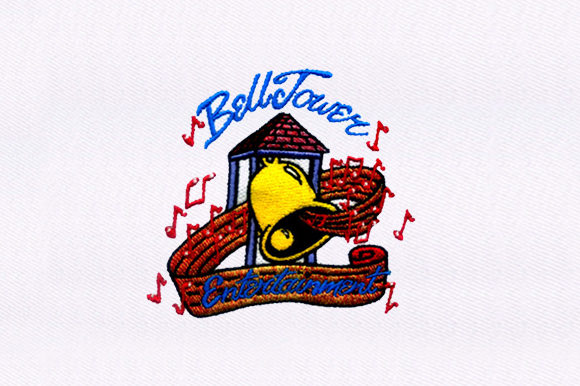
The first impression of Ringing Bell is one of classic charm without excessive clutter. In a market saturated with overly complex holiday graphics that turn into thread nests on smaller hoops, this design stands out for its clarity. The shape is recognizable instantly, which is crucial for quick visual processing by customers browsing Etsy listings or craft fair tables. The layout suggests a balance between open space and detailed fill areas, a characteristic that often translates well to various fabric types.
Real-World Application: The Custom Tote Test
To truly understand the value of an embroidery file, you must visualize it in a specific context. I imagined using Ringing Bell for a batch of custom canvas tote bags destined for a local boutique’s holiday gift-with-purchase promotion. Canvas is a sturdy, textured fabric that can be unforgiving if a design lacks sufficient density or proper underlay.
In this scenario, the bell motif would sit prominently on the front panel. The visual personality of the design feels warm and inviting, aligning perfectly with the cozy aesthetic buyers seek during the winter months. Unlike intricate scenes that require high-end stabilizers and perfect tension, this design appears robust enough to handle the slight irregularities of home-sewn items while maintaining a professional finish. For an Etsy seller, this reliability reduces the risk of returns due to stitching errors, directly protecting brand reputation.
Versatility Across Product Lines
Beyond tote bags, the adaptability of Ringing Bell makes it a strong candidate for diverse embroidery projects. Here is how it performs across different categories:
- Custom Apparel: On a heavyweight sweatshirt, the design provides a focal point on the chest or sleeve without overwhelming the garment. The stitch structure seems conducive to satin stitch borders that pop against fleece or cotton blends.
- Home Decor: For pillow covers or kitchen towels, the motif adds a touch of seasonal flair. When used on tea towels, ensure the stitch density is appropriate for thinner linen to prevent puckering.
- Baby Items: Soft baby blankets benefit from designs that are not too dense, keeping the fabric pliable. If Ringing Bell maintains moderate density, it becomes an excellent choice for heirloom-quality baby embroidery.
- Embroidered Patches: The clear outline of the bell makes it suitable for cut-work patches. This allows crafters to create iron-on accessories that can be applied to jackets or hats later, expanding the product line without re-stitching entire garments.
For commercial embroidery professionals, having a design that scales well is vital. Whether it is a small logo on a cap or a larger centerpiece on a table runner, the integrity of the lines must hold. The provided formats, including DST, PES, and JEF, suggest broad compatibility with major machine brands, which is a significant advantage for shops running mixed equipment.
Technical Considerations and Fabric Challenges
While Ringing Bell shows promise, practical experience dictates caution in specific scenarios. No design is universally perfect for every material. Here are areas where careful testing is required:
- Textured Fabrics: On highly textured materials like bouclé or thick wool, fine details may get lost. If the design relies on thin running stitch elements for definition, these might disappear into the pile. A test stitch-out is non-negotiable here.
- Stretchy Materials: Applying this to stretchy knits requires a robust stabilizer strategy. Without proper hooping and backing, the bell shape could distort, turning a circle into an oval. This affects the perceived quality of the finished product.
- Dark Fabrics: If the design includes light-colored threads, visibility on dark navy or black fabrics depends heavily on thread contrast. Designers should consider using a lighter underlay or adjusting thread colors to ensure the bell remains distinct.
- Small Hoop Sizes: If scaling down for a small hoop, verify that the smallest details do not become too dense. High density in a small area can cause needle breaks or thread bunching, ruining the item.
It is also essential to check the specific file formats provided. The list includes 10O, ART, CND, DSB, DST, DSZ, EXP, HUS, JEF, PCS, PEC, PES, TAP, VIP, VP3, and XXX. This extensive range indicates the designer has considered users of Brother, Janome, Husqvarna, Bernina, and other major machines. However, always confirm that your specific machine model reads the chosen format correctly before starting a large batch.
Enhancing Brand Value and Customer Trust
From a business perspective, the choice of design assets influences customer trust. A clean, well-digitized motif like Ringing Bell signals professionalism. When customers see consistent stitch quality and clear imagery, they are more likely to perceive the handmade product as high-value. This is particularly important for personalized gifts, where the emotional connection is tied to the presentation.
Using this design in printable mockups for online listings can help visualize the end result. However, remember that mockups often look cleaner than reality. Always supplement digital previews with photos of actual stitched samples on various fabrics. This transparency builds buyer engagement and reduces hesitation at checkout.
Practical Notes for the Embroiderer
Before committing to a full production run, follow these steps to ensure success with Ringing Bell:
- Test on Scrap Fabric: Always stitch a sample on the exact fabric type and weight you intend to use for the final product.
- Check Thread Contrast: Experiment with different thread colors to see which combinations highlight the bell’s shape best against your chosen background.
- Inspect Stitch Density: Look closely at the fill areas. If they appear too tight, adjust your machine tension or consider editing the file if you have the skills and license to do so.
- Use Proper Stabilizer: Match the stabilizer to the fabric. Cut-away for stretchy knits, tear-away for stable wovens.
- Verify Licensing: Before selling items made with this digital embroidery file, confirm the license terms. Some designers allow unlimited commercial use for finished physical goods, while others have restrictions on digital resale or mass production.
In conclusion, Ringing Bell offers a solid foundation for holiday-themed creations. Its strength lies in its simplicity and versatility, making it a reliable choice for both novice hobbyists and seasoned craft business owners. By respecting the technical limitations of different fabrics and investing time in proper setup, you can transform this digital asset into a tangible product that delights customers and enhances your brand’s holiday collection.