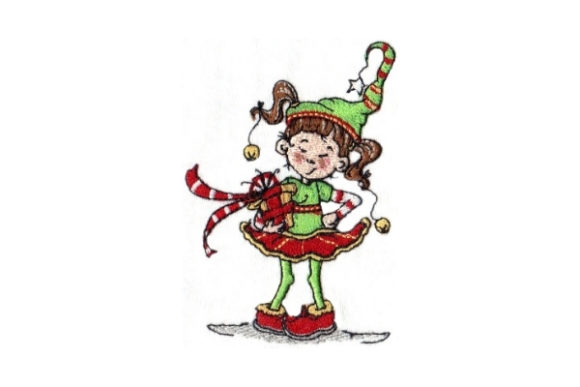
Sassy Lucy Lou: A Designer’s Review for Holiday Embroidery
As an embroidery designer who has spent countless hours hooped up at the machine, I have learned to look past the glossy mockups and focus on what actually happens when the needle hits the fabric. When I first pulled up Sassy Lucy Lou, my immediate reaction was one of cautious optimism. The winter holidays are a saturated market, and standing out requires more than just a cute character; it requires technical precision and visual balance. This review breaks down how this design performs in real-world scenarios, from custom apparel to boutique home goods.
First Impressions and Visual Personality
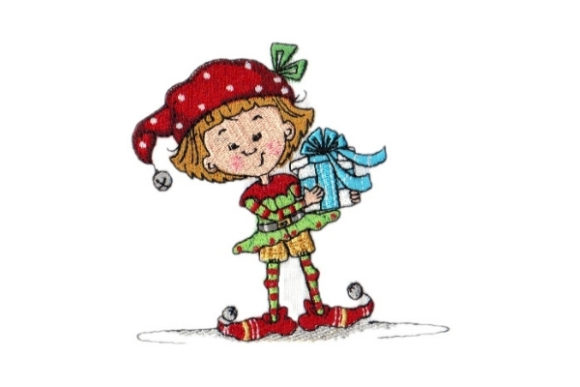
The mood of Sassy Lucy Lou is undeniably festive but with a modern edge. It does not rely on the overly traditional, cluttered aesthetics that often plague seasonal designs. Instead, it offers a clean layout that allows the personality of the character to shine. For an embroidery project to succeed, the visual hierarchy must be clear. In this case, the focal point is distinct, ensuring that even from a distance, the subject is recognizable.
The detail level strikes a balance between intricacy and stitchability. Too many micro-details can lead to thread breaks and frustration, while too few can make a design look flat. Sassy Lucy Lou appears to utilize a mix of satin stitch for borders and defining lines, paired with fill stitch areas that provide body without excessive bulk. This combination is crucial for maintaining the integrity of the design on various textiles.
Real-World Application: The Custom Sweatshirt Test
To truly evaluate a machine embroidery design, you must imagine it on a finished product. I recently considered using this design for a line of custom holiday sweatshirts for a local boutique. The challenge with sweatshirt embroidery is the texture of the fleece or French terry. A design that looks sharp on a digital screen can get lost in the pile of a heavy fabric.
Sassy Lucy Lou holds up well here because of its bold outlines. When stitched onto a medium-weight cotton blend, the contrast between the thread colors and the fabric background remained high. For a personalized gift or a small shop product, this clarity is essential. Customers want to see their investment clearly. If I were producing this for an Etsy seller or a craft business, I would recommend testing it on both light and dark fabrics to ensure the thread colors provide sufficient pop. On dark navy or black fleece, lighter thread tones in the design will need to be vibrant to avoid looking muddy.
Versatility Across Product Lines
Beyond apparel, this design has potential in home decor. Imagine it stitched onto a linen tote bag design or a canvas apron. The structural integrity of the design suggests it would handle the tension of heavier fabrics well, provided the correct stabilizer is used. For a holiday embroidery theme, it fits naturally into kitchen towels or pillow covers, adding a touch of whimsy without overwhelming the space.
However, caution is advised when applying it to smaller items. While it could work as an embroidered patch, the smaller the scale, the more critical the stitch density becomes. If the design is scaled down too far, the satin stitches may become too dense, causing the fabric to pucker or the threads to merge into a solid blob. Always check the recommended minimum hoop size before committing to a small-scale application like a baby hat or a pocket accent.
Technical Considerations for Designers
From a technical standpoint, there are several factors to consider before loading this digital embroidery file into your machine. First, always review the stitch path. A well-digitized design will minimize jumps and trims, which saves time and reduces the risk of loose threads on the back of the finished product. While I cannot verify the exact stitch count or specific file formats from the description alone, the note that it comes with multiple embroidery file formats is a positive sign for compatibility across different machine brands.
Stabilizer choice is non-negotiable. For stretchy fabrics like jersey knits used in custom apparel, a cut-away stabilizer is mandatory to prevent distortion over time. For woven fabrics like tea towels or aprons, a tear-away may suffice, but a mesh top stabilizer can help keep the stitches crisp on textured surfaces. Never skip the test stitch. Run the design on a scrap piece of the same fabric you intend to use for the final item. This simple step can save you from ruining expensive materials.
Navigating Fabric Challenges
Textured fabrics present a unique challenge. If you are stitching on a waffle-knit towel or a plush blanket, the fabric texture can swallow finer details. Sassy Lucy Lou seems robust enough to handle moderate texture, but avoid using it on extremely high-pile fabrics unless you use a water-soluble topping. This topping keeps the stitches on the surface, ensuring the design remains legible.
Curved surfaces, such as caps or hats, require careful hooping. If you plan to use this for cap embroidery, ensure the design width fits within the curved area of the front panel. Distortion is common on curved surfaces, so a design with strong horizontal elements might need adjustment. Since Sassy Lucy Lou has a balanced composition, it should adapt reasonably well, but always use a cap frame and appropriate backing.
Commercial Viability and Brand Consistency
For commercial embroidery professionals and digital product sellers, the appeal of a design lies in its versatility and marketability. Sassy Lucy Lou offers a fresh take on Christmas themes, which can help differentiate your design assets in a crowded marketplace. Whether you are creating printable mockup previews for an online store or producing physical inventory for a craft fair, the design’s clean lines translate well into photography.
Customer trust is built on consistency. If you promise a high-quality handmade product, the embroidery must reflect that. Loose threads, puckering, or misaligned colors can damage your brand reputation. By thoroughly testing Sassy Lucy Lou on various materials and adjusting tension settings as needed, you ensure that every item leaving your studio meets professional standards. This attention to detail enhances the perceived value of the item, making it more likely to be purchased as a premium personalized gift.
Final Verdict
Sassy Lucy Lou is a strong contender for your holiday lineup. It balances charm with technical practicality, making it suitable for a wide range of applications from baby embroidery to adult sweatshirt embroidery. However, success depends on your preparation. Check the licensing terms to confirm whether you can sell finished items or if it is for personal use only. Verify the included embroidery file formats match your machine’s requirements. And most importantly, respect the fabric. Treat each project with the care it deserves, and this design will deliver results that delight your customers and elevate your portfolio.
Remember, a great design is only half the battle. The other half is your skill in executing it. Use proper stabilizers, choose high-quality threads, and never underestimate the power of a test run. With these precautions, Sassy Lucy Lou can be a standout addition to your embroidery project repertoire this season.